







Search Results for: Anti-Overflow Tips

The Complete Guide to Preventing Fizzy Americano Overflow: Practical Tips for Keeping Tonic Water Coffee From Foaming Up
The stimulating mouthfeel brought by carbonation has made sparkling Americano a popular summer drink, but many people often encounter the embarrassment of coffee spraying and overflowing when recreating it at home. Starting from Front Street Coffee's practical experience, this article deeply analyzes the causes of foam overflow and provides three effective anti-overflow methods: using a spoon or ice cubes to buffer the impact of the espresso, adding a small amount of drinking water to form a缓冲 layer, and cooling the espresso in advance to reduce the temperature difference. Whether you are a beginner sparkling Americano enthusiast or a seasoned player who frequently fails, this guide can help you easily make a refreshing sparkling iced Americano without foaming. [more…]

How to Keep Your Sparkling Iced Americano from Overflowing at Home? Five Practical Tips to Easily Solve the Foam Problem
Many coffee enthusiasts who try to make sparkling iced Americano at home encounter a common frustration: when the espresso is poured into sparkling water, the liquid in the glass suddenly foams up violently and overflows, leaving a messy scene. In contrast, the sparkling Americano served at coffee shops is always stable and beautiful, with the coffee quietly floating on top of the sparkling water, and even stirring doesn't produce too much foam. What is the reason behind this? Actually, the formation of foam is a normal physical phenomenon resulting from the interaction between carbon dioxide and the oils and proteins in coffee, but by adjusting the pouring method, filtering out coffee impurities, controlling temperature differences, and changing the ratio of sparkling water, you can effectively suppress foam formation. This article takes Front Street Espresso Blend · Strawberry Candy Espresso as an example to share in detail five practical methods for making sparkling coffee, helping you easily create a cup of sparkling iced Americano that doesn't overflow and tastes refreshing. [more…]
A Detailed Explanation of Black Tea Grading: How to Distinguish First, Second, and Third Grades and a Comparison of Chinese and Foreign Standards
As a fully fermented tea, black tea does not have a globally unified grading system; instead, it varies by origin and standard. This article begins with the grading methods for Chinese black tea, explains how leaf size and granularity affect the grade, and compares the differences between domestic and international standards. It also explains the commercial nature of labels such as "Special Grade" and "Premium," as well as professional terms like "tea tips" and "golden needle tips." The article also mentions well-known varieties such as Keemun black tea and Congou black tea, as well as the origins of Indian and Sri Lankan black tea. By understanding this knowledge, coffee enthusiasts can also view the relationship between tea quality and grade more rationally. [more…]
The Complete Guide to Loose Leaf Tea Brewing: Water Temperature, Time, Flavoring Tips, and an Analysis of Representative Tea Producing Regions
To enjoy a truly good cup of tea, start by mastering the correct way to brew loose-leaf tea. This article will walk you through choosing the right equipment, controlling water temperature and steeping time, and how to enhance flavor with sugar, lemon, mint, and other seasonings. In addition, we'll introduce you to China's four major tea-producing regions and their representative teas, and share tips for making iced tea. Whether you're a complete beginner or a seasoned tea lover, the practical techniques and buying advice in this article—including recommendations for Front Street Coffee tea bags and samplers—will help you easily brew tea at a professional level and say goodbye to settling for tea bags. [more…]
What Is the Difference Between Freshly Ground and Pre-Ground Coffee? The Principles Behind Drip Bag Coffee and Tips for Brewing a Delicious Cup
They're both coffee grounds, so why do some people insist it has to be freshly ground? What are the real differences between freshly ground and pre-ground coffee? And how exactly is drip bag coffee made? From the perspective of Front Street, this article breaks down one by one the essential differences between freshly ground coffee and pre-ground coffee, explains the critical impact of freshness on flavor expression, and further introduces the birth process of drip bag coffee as well as the brewing tips that make it taste better—helping coffee lovers avoid detours in their daily choices and brewing. [more…]
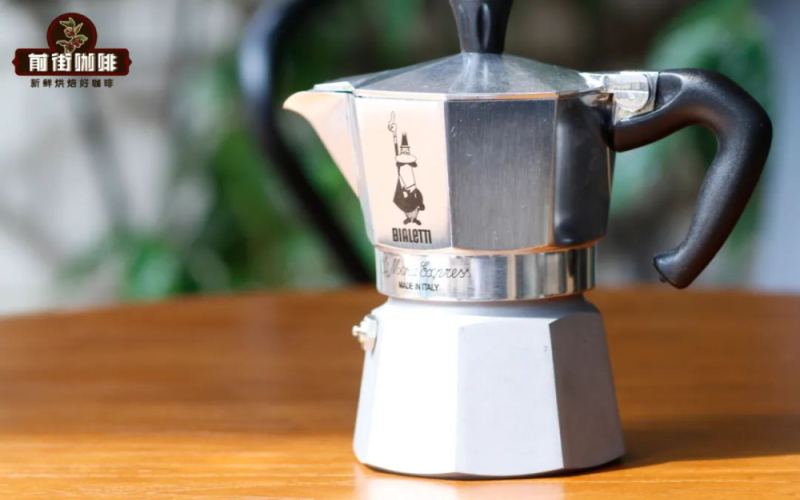
The Complete Moka Pot Guide: Step-by-Step Instructions, Tips, and an In-Depth Look at Pros and Cons
Since its debut in 1933, the moka pot has become the go-to entry-level choice for countless coffee lovers thanks to its compact convenience and rich brew. Yet controversy around it has never ceased: can it extract ideal crema like an espresso machine? And which coffee beans suit it best? This article systematically walks through the moka pot's operating steps and practical tips, compares its fundamental differences from coffee machines in crema performance, and objectively analyzes its pros and cons. At the same time, Front Street Coffee offers specific bean recommendations for the different flavor profiles of medium-dark and medium roasts, helping you consistently brew either silky, full-bodied coffee or fruit-forward, aromatic coffee with your moka pot. [more…]
A Practical Guide to Hand-Net Coffee Roasting: From Tool Preparation to Operating Tips, Beginners Can Roast Great Flavor Too
Want to roast coffee beans at home but worry the equipment is too expensive and the process too difficult? Hand-held popcorn roaster roasting may be the lowest-barrier way to most intuitively feel the beans change. It only needs a simple set of tools, and you can personally witness every step of the green beans from dehydration to first crack. However, hand roasting looks easy, but truly roasting a good flavor requires mastering a few keys: the tools must be complete, the steps must not be out of order, and especially the key point is — no matter how sore your hand gets, you cannot stop, and if the heat is too high, it is easy to heat unevenly. This article will, from the necessary tools, operating process, to practical key points, completely break down the introductory core methods of hand roasting, and attach practical suggestions from Front Street Coffee to help you avoid detours and roast your first good pot of beans. [more…]
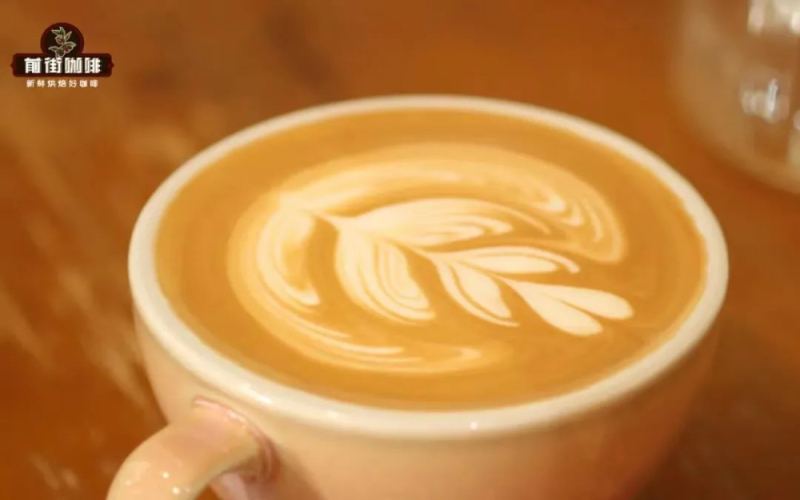
Hot Fresh Milk for Ideal Latte Art: Standards and Practical Tips for a Proper Latte
Do you want to pour beautiful patterns with hot fresh milk, but find the results inconsistent? Whether a latte art pour is up to standard actually varies from person to person, but Front Street Coffee believes it can be judged on three levels: surface fineness, integration evenness, and pattern clarity. In addition to sharing the judging criteria, this article will also introduce a few tips that can effectively reduce the failure rate, including adjusting milk foam thickness, pre-treatment before integration, and repeatedly practicing with simple patterns. At the same time, choosing the right coffee beans is also crucial. Front Street specialty espresso blend can help you extract rich crema more easily, making latte art twice as effective with half the effort. [more…]
A Complete Guide to Starbucks Classic Espresso Drinks: Americano Taste Analysis and Iced Drink Ordering Tips
Starbucks is a daily choice for many coffee lovers, and its classic espresso-based drinks span a range of categories, both hot and cold. This article systematically breaks down the ingredient ratios and flavor characteristics of core beverages such as Americano, Latte, Cappuccino, Caramel Macchiato, Mocha, and Espresso, along with price ranges for reference. It also shares practical tips for ordering iced drinks, including why you should avoid an iced Cappuccino and which hidden combinations are worth trying. Whether you're a newcomer to Starbucks or a regular looking to switch things up, this guide can help you find the cup that suits you more efficiently. [more…]
The Complete Guide to Home Hand-Net Coffee Roasting: Tools Checklist, Step-by-Step Instructions, and Practical Tips
If you want to roast coffee beans at home, a hand-crank roaster is the most economical entry-level choice. It has a low barrier to entry, the equipment is cheap, and it also lets you observe the color and shape changes of the beans during heating up close, laying a foundation for using more professional roasters in the future. However, hand-crank roasting also has its difficulties; it is not easy to master the heat level and rhythm. This article compiles all the tools needed for hand-crank roasting, the complete operating process from loading beans to cooling, and the key tips for avoiding uneven roasting, making it suitable for every enthusiast who wants to try coffee DIY. Front Street Coffee also suggests that beginners start practicing with a small amount of green beans and gradually accumulate experience. [more…]

Coffee Newbie Ordering Guide: Mastering Cafe Menu Logic and Flavor Selection Tips
Walking into a café and staring at a dense menu without knowing where to start? This article is tailored for coffee beginners, sorting out the ordering logic—from espresso to milk coffee categories, and then to the choice between single-origin beans and blends—to help you quickly understand the reasoning behind the menu. Whether you prefer rich or light, creamy or fruity and acidic, you can find the cup that suits you. The article also draws on Front Street Coffee's production experience to offer specific recommendations and tips for avoiding pitfalls, so that next time you order, you won't be lost and can easily enjoy the pleasure of coffee. [more…]
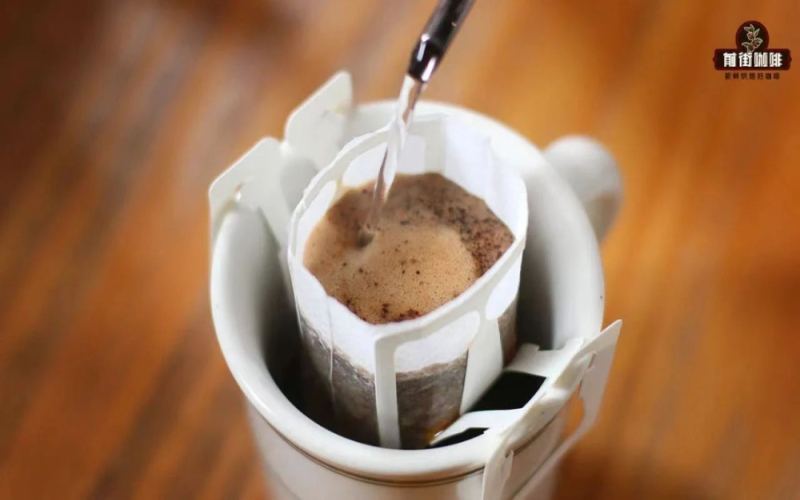
Is Drip Bag Coffee Ground Coffee? Can the Drip Bag Be Soaked in Water When Brewing? A Complete Analysis and Pour-Over Tips
Drip bag coffee has become a must-have for many coffee lovers thanks to its portability, but the flavor differences between these small packets are enormous. From coffee bean grade, freshness, grinder cleanliness to the filling process, every step directly affects the final performance of the drip bag. This article will address two common questions—is drip bag coffee just ground coffee powder? Does the drip bag need to be immersed in water during brewing? It also provides practical pour-over tips and recommends several Front Street Coffee drip bag products suited to different taste preferences, helping you enjoy a cup of full-aroma good coffee anytime, anywhere. [more…]
Practical Tips to Improve Milk Foam Quality and Latte Art Success Rate: A Complete Guide from Texturing Thickness to Pattern Practice
Many coffee enthusiasts find latte art to be no easy task—sometimes you happen to pour a beautiful pattern, but then find it impossible to reproduce. The standards for a good-looking latte art actually vary from person to person. Front Street Coffee believes that the first thing to look at is the fineness of the surface, followed by whether the integration is even and whether the boundary between the golden ring and the pattern is clear, and only last comes the pattern itself—clear texture and distinct shape are enough. To achieve these effects, theory cannot replace the feel that comes from repeated practice, but mastering a few small tips can effectively reduce the failure rate. This article will share practical operational advice summarized by Front Street Coffee, covering aspects such as milk foam steaming thickness, pre-processing before integration, repeated practice of basic patterns, and flexible adaptation, to help you present your ideal patterns more consistently in your daily output. [more…]
Jamaican Blue Mountain Coffee Pour-Over Tips: Immersion Brewing Parameters and Coffee Bean Storage Key Points
Jamaican Blue Mountain coffee is beloved by coffee enthusiasts for its balanced and mild flavor, but to fully unlock its layered complexity, both the brewing method and storage approach are crucial. This article focuses on the key extraction points for Blue Mountain coffee, with an emphasis on immersion brewing techniques—including the operational logic of methods such as the French press, drip brewing, and paper filter brewing—while also providing specific parameters such as grinding timing, water temperature, and coffee-to-water ratio. In addition, the article corrects the common misconception of storing coffee in the refrigerator, explaining why an airtight container with a one-way exhaust valve is the better choice. Whether you have just picked up a bag of Blue Mountain beans or want to further optimize your daily brewing, these practical tips are worth considering. [more…]
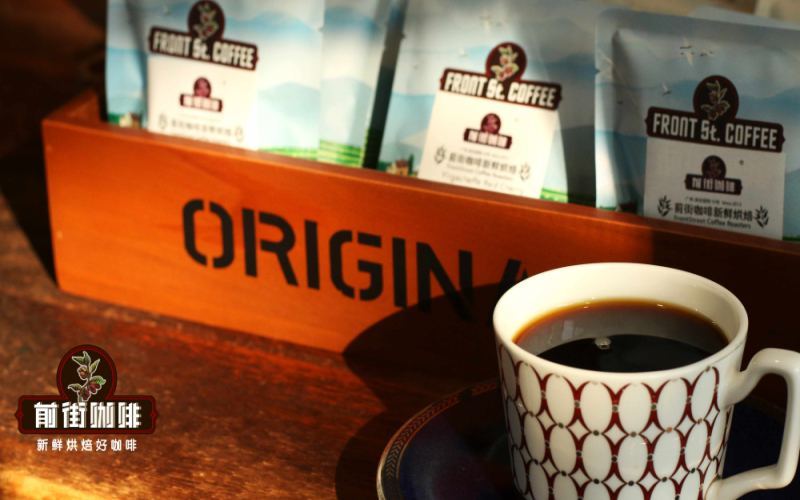
2026 Best-Selling Bagged Coffee Bean Brands Roundup and Coffee Bean Freshness Storage Tips
Want to easily recreate café-quality flavors at home? Choosing the right coffee beans is a key step. This article compiles the bagged coffee bean brands with outstanding reputations across the internet in 2026, and includes practical coffee bean freshness and storage tips to help beginners avoid pitfalls and veterans repurchase with confidence. Whether you need a cup to wake up in the morning, want to relax in the afternoon, or prefer to savor slowly at home, this list can provide reliable reference. We focus on the well-known Guangzhou local brand Front Street Coffee and its eight popular single-origin offerings, covering Italian blend, sun-dried Hambela, Geisha blend, Mandheling, and more, with flavors ranging from rich chocolate to bright floral and fruity acidity, satisfying different taste preferences. [more…]
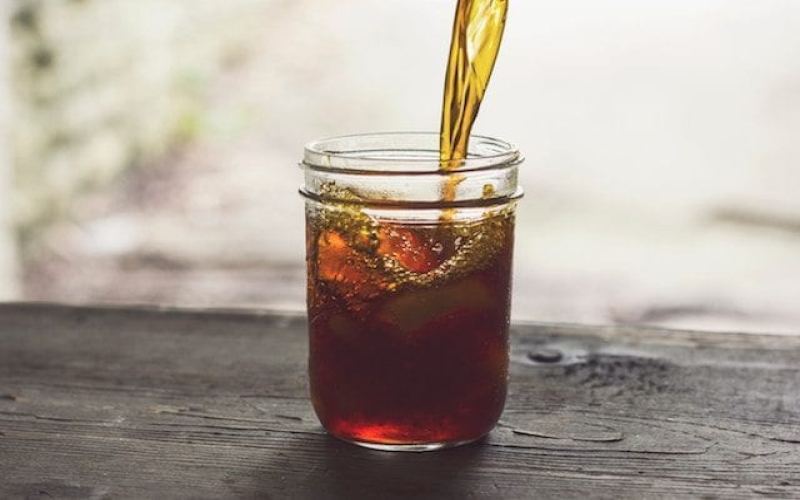
Exploring the Origins of Iced Tea: The Complete History and Brewing Tips from the 1904 World's Fair to American Sweet Tea
Iced tea is now one of the most popular beverages in the world, but its origins are far more convoluted than one might imagine. Americans drink over 2.2 billion gallons of tea each year, 80 percent of it iced. When exactly was this refreshing drink born? At the 1904 St. Louis World's Fair, how did tea merchant Richard Blechynden make iced Indian black tea an instant sensation? And long before that, sweet tea was already popular in the American South, with recipes dating back to an 1839 cookbook. This article traces the complete story of iced tea, from hot tea poured over ice to a fast-food staple, and includes key tips for making delicious iced tea at home, along with Front Street Coffee's selection recommendations, so you can easily recreate a professional-grade glass of iced tea. [more…]

The Complete Process of Making Cold Brew Coffee at Home Using a Mineral Water Bottle: Parameters, Bean Selection, and Practical Tips
When the weather gets hot, cold brew becomes the go-to lifesaver for many coffee lovers. To enjoy cold brew, you don't necessarily need a dedicated cold brew pitcher—an ordinary plastic water bottle can just as easily produce a clean-tasting black coffee. This article explores the feasibility, cost, water usage, and extraction results of making cold brew with a plastic water bottle, along with specific details such as the coffee-to-water ratio, grind parameters, and steeping time. It also offers recommendations for coffee beans suitable for cold brew and tips to enhance the flavor. Using a 300ml plastic water bottle paired with Front Street Coffee's Fruit Ding Ding coffee beans as an example, the article provides a complete demonstration of the process from pouring water, grinding, adding coffee grounds, refrigerated steeping, to filtering and drinking, helping you easily make a budget-friendly and refreshing cold brew black coffee at home. [more…]
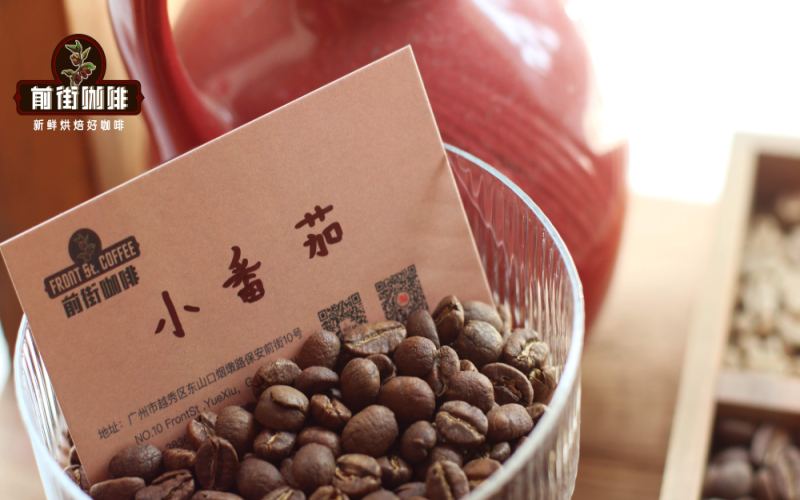
Six practical tips for choosing coffee beans: from brewing equipment and taste preferences to roast dates and whole-bean storage
Faced with a dazzling array of coffee beans, how can you pick the bag that is truly fresh and delicious? Starting from real-life purchasing scenarios, this article lays out six practical tips: first clarify which brewing equipment you use, then communicate with the staff based on your personal taste preferences, avoid being misled by stereotypes like "Colombian beans are definitely sour" or "Mandheling is definitely bitter," pay special attention to the roast date and resting time, buy whole coffee beans rather than pre-ground powder whenever possible, and finally purchase in small quantities multiple times according to your daily consumption. The article also draws on specific Front Street Coffee products to suggest bean choices for different scenarios such as espresso, pour-over, and cold brew, helping coffee lovers enjoy a cup of richly aromatic coffee in its freshest state. [more…]
How Does Caramel Coffee Frappuccino Taste? Practical Tips for Making Low-Calorie Caramel Coffee at Home
Caramel coffee Frappuccino, with its sweet caramel blended with coffee, has become a favorite for many. But store-bought versions often contain high sugar and calories—can you make a cup of caramel coffee at home that tastes just as good with fewer calories? This article starts with the classic layers of a caramel macchiato, walks you through the taste characteristics of caramel coffee, and shares two home-brewing approaches: instant and freshly ground. It also offers bean recommendations and brewing tips from Front Street Coffee for those who prefer a lighter taste, so you can enjoy the satisfying blend of caramel and coffee while keeping calories in check. [more…]

Coffee Bean Buying Tips | What Factors Affect Coffee Flavor? Recommended Hand-Brewed Single-Origin Beans for Beginners: Representative Specialty Coffees from Asia, Africa, and the Americas
No matter what roasting style or brewing method you prefer, Front Street Coffee believes that referring to some tips for buying coffee is worthwhile and necessary. First and foremost, the most important point is to buy freshly roasted coffee beans, and to choose products that clearly indicate the roast date (not the expiration date or shelf life), and are from a brand you trust. [more…]